Fibroids… The friend you never wanted!
Uterine Fibroids: What Every Woman Should Know
Uterine fibroids are one of the most common gynecologic conditions we see — and yet, so many women suffer in silence. They’re overwhelmingly benign (non-cancerous) growths of the uterus, but “benign” doesn’t mean harmless. For some women, fibroids are tiny and quiet. For others, they cause life-altering symptoms that interfere with work, family, intimacy, and overall quality of life.
As an OB/GYN here at Calhoun Women’s Center, I see every day how misunderstood fibroids can be. Too many women are told, “It’s just heavy periods,” or “It’s normal to feel this way.” It isn’t. And you deserve better answers.
What Exactly Are Fibroids?
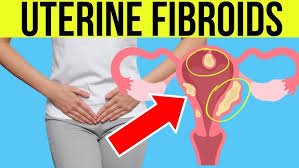
Fibroids — also called leiomyomas — are smooth muscle tumors that grow in or around the uterus. They come from the abnormal growth of a sinlge muscle cell in the uterus. This is why they are very uncommon in adolescents and early 20’s. They can be located:
Inside the uterine cavity
Within the wall of the uterus
On the outer surface of the uterus
Some stay small. Some grow to the size of a grapefruit or larger. And many women have more than one.
Symptoms to Watch For
While some women feel nothing at all, others experience:
Heavy menstrual bleeding (soaking through pads/tampons, passing large clots)
Pelvic pressure or fullness
Cramping or pain
Urinary frequency (fibroid pressing on the bladder)
Constipation or bloating
Pain with sex
Infertility or pregnancy complications in some cases
If you’ve ever felt like your symptoms are being dismissed — this is your reminder: heavy bleeding is not something you just “live with.”
What Causes Fibroids?
The honest answer: we don’t fully know.
But we do know:
They are very common, especially in women in their 30s–40s
They tend to run in families
They grow under the influence of estrogen and progesterone
They’re more common in Black women and may appear at earlier ages. This points to something that this segment of the population is exposed to that others are usually not. We should talk about hair relaxers as they have been implicated in the disproportionate prevalence among these
You did nothing to cause them — and there’s nothing you could have done to prevent them.
How We Diagnose Them
A pelvic exam can raise suspicion, but diagnosis typically involves an ultrasound. Sometimes, we use more advanced imaging like MRI to fully map them out, especially when planning treatment.
At Calhoun Women’s Center, we have in-house ultrasound, so we can sometimes evaluate and discuss your results in the same visit, and we can definitely get you worked up here in the comfort of our office.
Treatment: You Have Options… But first real-estate!
When it comes to what needs to be done I always tell people fibroids are all about real estate. Location and square-footage are the main factors that determine what needs to be done. Because, when it comes to these things usually the small ones are not a problem, but if you have a small fibroid in prime real estate that little thing can be a REAL trouble maker whereas some fibroids can get pretty big, but because of their location they really don’t need anything done.
Fibroid treatment isn’t one-size-fits-all. It depends on your symptoms, goals, and whether you want to preserve fertility.
Common options include:
✔ Medications
To help with bleeding or shrink fibroids temporarily.
✔ Minimally Invasive Procedures
Uterine artery embolization
Radiofrequency ablation
These treat fibroids without removing the uterus.
Hysteroscopic resection.
skinny camera thru the vagina and into the uterus allows removal with no cuts!
✔ Myomectomy
Surgical removal of fibroids — uterus preserved.
✔ Hysterectomy
For women who are done with childbearing and want definitive treatment.
The most important thing is this: you have choices, and your symptoms matter.
Bottom Line
Fibroids are incredibly common — but suffering shouldn’t be. If your periods are controlling your life, if sex is painful, if you’re missing work, or if you feel like something just isn’t right, you’re not alone. And you don’t have to “tough it out.”
At Calhoun Women’s Center, we’re here to listen, to explain, and to help you reclaim your comfort and peace of mind.
